
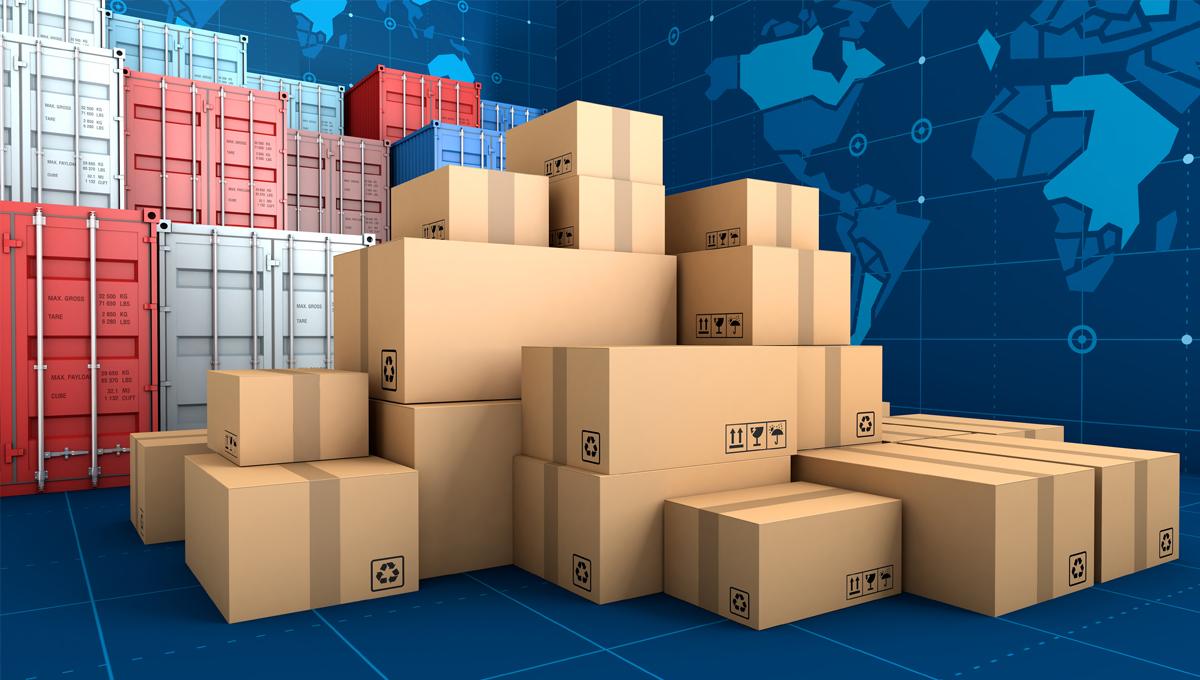
In today’s world, the movement of temperature-sensitive products is more important than ever. From meal kits to life-saving medications, ensuring products reach their destination fresh and safe depends on advanced shipping solutions. One such crucial solution is the use of insulated shipping boxes.
The Rise of Cold Chain Logistics
Cold chain logistics has grown rapidly due to the increasing demand for fresh food and pharmaceuticals. Consumers now expect fresh ingredients delivered to their doorstep within hours or days. Similarly, the pharmaceutical industry relies on precise temperature control to maintain drug efficacy. The cold chain ensures products are kept at ideal temperatures from production to delivery.
Temperature-sensitive items cannot tolerate delays or fluctuations. Insulated packaging plays a pivotal role in preventing spoilage. The design of these boxes often combines materials like foam, gel packs, and reflective barriers to maintain the internal climate. This technology helps companies avoid losses due to damaged goods.
The global demand for cold chain logistics has also spurred innovations. Companies are exploring sustainable solutions like biodegradable insulation or reusable packaging. These developments aim to reduce environmental impact while maintaining strict temperature control. Additionally, monitoring systems and sensors are often included to track conditions in real time. This allows businesses to guarantee quality during transit.
As online grocery shopping and meal kit subscriptions grow, insulated boxes have become essential. Without them, food safety could be compromised, leading to consumer dissatisfaction and potential health risks. In pharmaceuticals, improper handling can even render medicines useless. Therefore, mastering cold chain logistics is now a strategic priority for many companies.
How Insulated Shipping Boxes Protect Temperature-Sensitive Goods
Insulated shipping boxes are designed to create a barrier between the internal contents and external temperature changes. They combine layers of insulation material, reflective surfaces, and sometimes refrigerants to keep products cool or frozen. This allows items to survive long journeys without compromising their quality.
Meal kits are particularly sensitive. Fresh produce, dairy, and meat require consistent temperatures. Even short exposure to warm conditions can cause rapid spoilage. Insulated boxes maintain a controlled environment, allowing delivery companies to ensure meals reach customers fresh.
Pharmaceuticals demand even stricter standards. Some vaccines and medications require storage at specific temperatures, often below standard refrigeration. Any deviation can reduce potency or render the product ineffective. Insulated packaging ensures these sensitive items maintain their required temperature throughout shipping.
Moreover, these boxes are versatile. They can handle multiple temperature ranges, from frozen to chilled, depending on the contents. Their effectiveness depends on proper design, insulation thickness, and the inclusion of gel packs or ice substitutes. Businesses often test their packaging under extreme conditions to ensure reliability.
The use of monitoring devices within these boxes adds another layer of security. Temperature sensors can alert the sender or recipient if conditions exceed safe ranges. This innovation has made cold chain shipping safer and more reliable. It also builds trust with consumers, who can track their deliveries and confirm freshness or safety.
Key Materials Used in Insulated Packaging
The performance of insulated shipping boxes heavily relies on the materials used in their construction. Common materials include expanded polystyrene foam, corrugated cardboard, and reflective liners. Each serves a distinct purpose in maintaining temperature stability.
Expanded polystyrene foam is lightweight yet effective. It provides excellent insulation, keeping contents cold for extended periods. Foam inserts are often shaped to hold items securely, reducing movement and potential damage. Corrugated cardboard adds structural strength, making boxes easy to transport without collapsing. Reflective liners help reflect heat away from sensitive items. This layer can be especially useful in hot weather or during long shipping durations.
Some boxes also incorporate gel packs or phase change materials. These elements absorb or release heat to maintain a steady internal temperature. Gel packs are reusable, adding an eco-friendly aspect to shipping. Phase change materials can be customized to target specific temperature ranges, making them ideal for pharmaceuticals.
Sustainability is becoming a priority in insulated packaging. Companies are exploring recyclable or biodegradable alternatives to traditional foam. These materials reduce environmental impact while still offering sufficient insulation. Innovations in material science continue to improve the performance and eco-friendliness of these solutions.
The Role of Technology in Cold Chain Monitoring
Technology has transformed cold chain logistics. Real-time monitoring systems ensure products maintain the correct temperature throughout transit. Sensors, data loggers, and GPS tracking devices provide constant updates to shippers and recipients.
These systems offer several advantages. First, they allow for immediate corrective action if temperatures deviate. Second, they provide valuable data for analyzing shipping efficiency and identifying problem areas. Companies can adjust routes or improve packaging based on insights from monitoring systems.
For pharmaceuticals, monitoring is critical. Vaccines, biologics, and temperature-sensitive drugs require exact conditions. Any lapse can have serious consequences. Technology ensures compliance with stringent regulations and provides proof of safe handling.
In meal kit delivery, monitoring helps maintain quality and freshness. Companies can optimize delivery schedules and route planning, minimizing exposure to heat. This not only improves customer satisfaction but also reduces waste.
Advancements in IoT devices and cloud-based platforms have made monitoring more accessible. Smaller businesses can now benefit from tools that were once limited to large corporations. With technology, cold chain logistics becomes more transparent, reliable, and efficient.
Designing Boxes for Optimal Temperature Control
Design is key in insulated packaging. The structure of the box determines how effectively it maintains internal temperature. Factors such as insulation thickness, airflow, and seal integrity all play a role in performance.
Thicker insulation usually means better temperature retention, but it also adds bulk and weight. Designers must balance protection with practicality. Internal compartments can prevent items from touching cooling packs directly, avoiding freezing or overheating.
Seals and closures are also critical. A well-sealed box prevents warm air from entering and cold air from escaping. This is particularly important during long shipments or in extreme weather conditions. Some boxes include interlocking lids or adhesive strips for added security.
Airflow inside the box affects how evenly temperatures are maintained. Even distribution ensures all items remain at the desired temperature. Innovative designs may include channels for air circulation or specialized inserts to hold contents securely.
Ultimately, box design is a combination of science and practicality. It ensures that temperature-sensitive goods survive the journey while remaining user-friendly for shipping companies and recipients.
Sustainability Challenges and Solutions
The growing use of insulated packaging raises environmental concerns. Traditional foam materials are not biodegradable and can contribute to landfill waste. This challenge has pushed companies to explore greener alternatives.
Some solutions include biodegradable foam, recycled cardboard, and reusable gel packs. These materials provide insulation while reducing environmental impact. Companies are also developing take-back programs, encouraging customers to return packaging for reuse.
Innovation in sustainable design does not compromise performance. New materials can match or even surpass the insulation capacity of traditional solutions. Combining sustainability with effective temperature control has become a key goal for forward-thinking businesses.
Consumer awareness also drives change. Customers increasingly prefer companies that prioritize eco-friendly packaging. Brands that embrace sustainability gain a competitive advantage and build long-term loyalty.
Ultimately, balancing performance with environmental responsibility is a challenge. However, advances in materials and innovative programs are paving the way for a more sustainable cold chain industry.
Logistics and Supply Chain Coordination
Cold chain success depends on efficient logistics. Coordination between production, packaging, and shipping is critical. Delays at any stage can compromise temperature-sensitive products.
Proper planning includes route optimization, timing deliveries, and ensuring storage facilities maintain correct temperatures. Communication between suppliers, couriers, and customers is essential. Any lapse can lead to spoilage or product loss.
Companies often rely on specialized logistics providers. These experts understand the intricacies of handling temperature-sensitive goods. They offer solutions like refrigerated trucks, temperature-controlled warehouses, and trained personnel.
In addition, inventory management plays a role. Products are rotated and tracked to minimize the risk of expired or damaged items reaching consumers. Efficient logistics reduce waste, save money, and ensure customer satisfaction.
By integrating insulated shipping boxes with well-planned logistics, businesses can achieve seamless cold chain operations. This integration is vital for the growing online food and pharmaceutical industries.
Future Trends in Cold Chain Packaging
The future of cold chain logistics promises further innovation. Smart packaging with embedded sensors will become more widespread. These packages can adjust internal temperatures or alert recipients automatically.
Sustainability will continue to drive innovation. Reusable, recyclable, and biodegradable packaging materials will dominate the market. Companies may also explore energy-efficient cooling solutions to reduce environmental impact.
Advancements in AI and machine learning will optimize shipping routes, predict temperature fluctuations, and reduce delivery times. These technologies will help maintain product quality while reducing costs.
Consumer demand for transparency will also shape the industry. Tracking and reporting temperature conditions will become a standard expectation. Brands that offer visibility and reliability will win customer trust.
The Importance of Shipping Packaging Boxes in Cold Chain Success
While technology and design are essential, the right shipping packaging boxes make all the difference. They provide the foundation for maintaining temperature control, protecting contents, and ensuring reliable delivery.
These boxes combine insulation, durability, and user-friendly features to safeguard sensitive products. They work in tandem with logistics planning, monitoring systems, and sustainable materials to create an effective cold chain.
For meal kits, pharmaceuticals, and other perishable items, shipping packaging boxes are indispensable. They prevent spoilage, reduce waste, and ensure products reach customers safely. Without them, maintaining a reliable cold chain would be nearly impossible.
As demand for fresh, temperature-sensitive goods grows, the role of these boxes will only become more critical. Companies investing in high-quality packaging gain a competitive advantage, reduce losses, and build customer trust.
In essence, shipping packaging boxes are the unsung heroes of cold chain logistics. They quietly ensure that food is fresh, medications are effective, and businesses thrive.
Conclusion
In conclusion, the future of insulated shipping boxes is bright. Innovation in materials, design, and technology will continue to improve the safety, efficiency, and sustainability of cold chain logistics. Businesses that adopt these trends early will be well-positioned for success. In summary, selecting the right materials is crucial for effective cold chain shipping. Each component works together to ensure food and medicines remain safe and high-quality during transit. Proper material choice can save companies money, reduce waste, and enhance consumer confidence.
Source Link: https://ibexpackaging.com/custom-shipping-boxes/
Leave a Reply