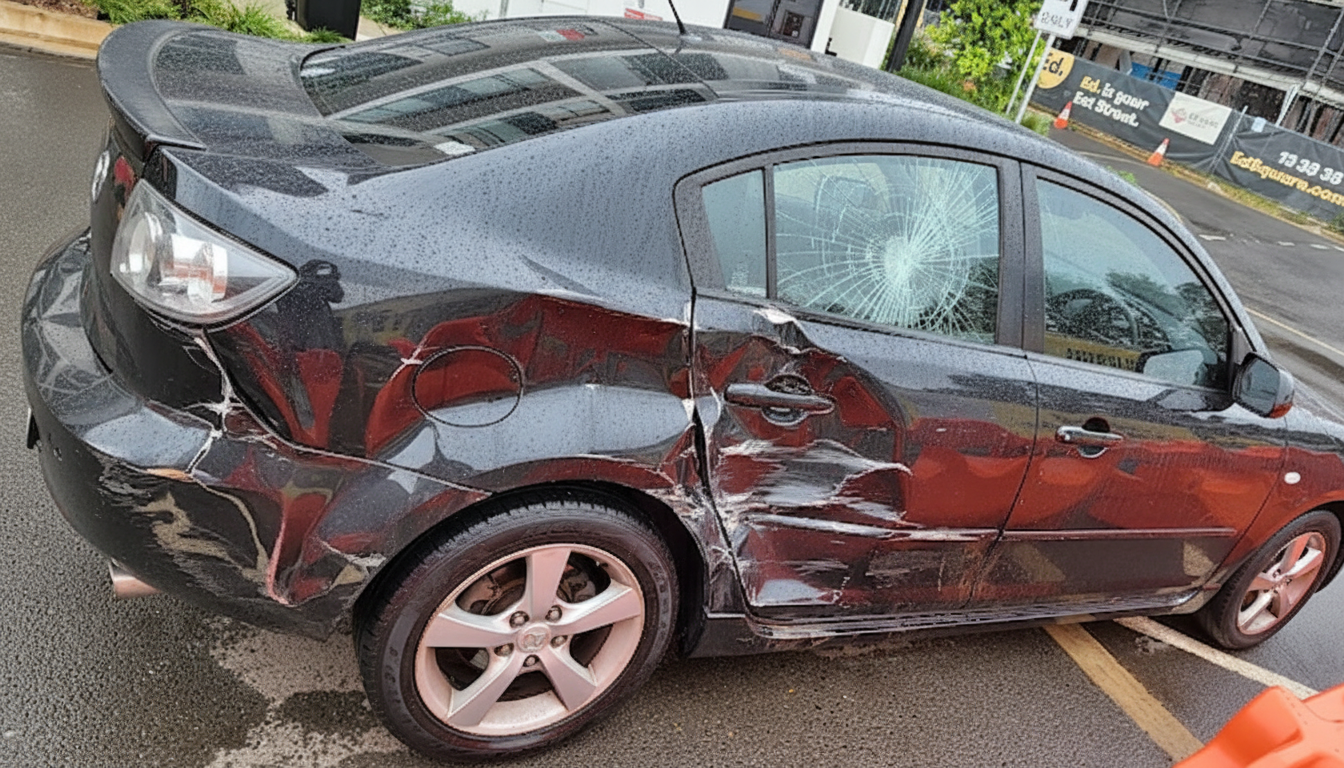
Determining if your scrap car is worth $9,999 involves evaluating the vehicle’s specific salvageable components, total metal weight, and current global commodity demand. At Cash For All Car Brands, this valuation is based on factual market data rather than guesswork, ensuring sellers receive a precise figure for their unwanted vehicles. While many end-of-life cars fall into lower price brackets, high-demand models, heavy 4x4s, and vehicles with intact premium parts often reach the upper tiers of the pricing scale.
5 Factors That Determine Your Car’s Market Value
Vehicle valuation is a data-driven process that considers the physical and mechanical attributes of a car to calculate its ultimate worth. Understanding these 5 factors helps you estimate the return on your asset before contacting a buyer.
-
Vehicle Weight and Mass: The primary value of a scrap car comes from its steel and aluminium content. A 2.5-tonne Toyota LandCruiser inherently possesses more raw material value than a 1.1-tonne Hyundai Getz.
-
Year, Make, and Model: Newer models have higher salvage value because their parts are still in high demand for the secondary repair market.
-
Catalytic Converter Integrity: These components contain 3 precious metals, including platinum, palladium, and rhodium. The presence of an original, high-grade converter significantly increases the total offer.
-
Operational Condition: A car that starts and drives requires less labour to move and may be sold at auction rather than shredded, resulting in a higher payout.
-
Current Scrap Metal Prices: Local prices fluctuate daily based on international trading for ferrous and non-ferrous metals.
The $9,999 Threshold: Who Qualifies?
The $9,999 figure represents the premium end of the scrap and salvage market, typically reserved for specific vehicle classes in reasonable condition. While a rusted 1995 sedan is unlikely to reach this amount, 4 categories of vehicles frequently command these higher prices.
| Vehicle Type | Reason for High Valuation | Examples |
| Late Model Write-offs | High demand for “near-new” body panels and interior tech. | 2020+ SUVs, Teslas, or European sedans. |
| Heavy Commercials | Extreme metal weight and expensive diesel engine components. | Hino trucks, Isuzu NPRs, and Mercedes Sprinter vans. |
| Popular 4x4s & Utes | Consistent demand for gearboxes, diffs, and tray assemblies. | Toyota HiLux, Ford Ranger, and Nissan Patrol. |
| Performance/Enthusiast | Rare mechanical parts that are no longer in production. | Nissan Skylines, older V8 Holdens, and Subaru WRXs. |
How to Get an Accurate Quote
To obtain a factual quote, follow the 3 steps of the professional appraisal process. Providing specific, quantifiable data ensures the price you are quoted over the phone is the price you receive at your doorstep.
-
Step 1: Gather Documentation: Locate your VIN (Vehicle Identification Number) and engine number to verify the exact trim and series of your car.
-
Step 2: Take Photos of Key Areas: Capturing images of the engine bay, odometer, and any body damage allows the appraiser to see the vehicle’s true state.
-
Step 3: Disclose Mechanical Faults: Clearly state if the car has 3 major issues, such as a blown head gasket, a seized transmission, or flood damage.
Pros and Cons of Scrap Valuation vs. Private Sale
Evaluating the best way to sell your car requires a comparison of effort versus financial return. While the $9,999 ceiling is attractive, the method you choose impacts the “net” profit after expenses.
Pros of Using a Professional Buyer:
-
Instant Liquidity: Funds are transferred via OSKO in under 60 seconds once the deal is finalised.
-
Free Removal: You avoid the $150 to $300 towing fees usually associated with moving non-running vehicles.
-
No “Tyre-Kickers”: You deal with a licensed business rather than 10 to 20 private buyers who may waste your time.
Cons:
-
Wholesale Pricing: You receive the wholesale or scrap value, which is lower than the retail price an individual might pay for a car they intend to drive.
-
Market Dependency: If the global price of steel drops by 10%, your car’s value decreases accordingly, regardless of its condition.
Target Audience for High-Value Scrap Services
High-value salvage services are designed for 4 specific groups of people in the Queensland region. These individuals require a fast, legal, and high-paying solution for vehicles that are no longer fit for private sale.
-
Insurance Claimants: Owners of vehicles that have been “statutory write-offs” but still contain valuable mechanical parts.
-
Fleet Managers: Businesses looking to decommission 5 or more aged work vans or utes quickly to free up capital for new assets.
-
Aged-Car Owners: People who have a non-running car taking up space in a garage or driveway for more than 12 months.
-
Mechanics: Professionals who have accumulated “parts cars” and need to clear their workshop floor forpaying customers.
Situational Relevance: Why Scrap Now?
The automotive industry is currently experiencing a 2-fold shift that makes now an ideal time to check your car’s value. Firstly, the high cost of new car parts makes “recycled” OEM parts more valuable to mechanics. Secondly, the push for environmental sustainability means that licensed recyclers are paying premiums to secure metal for the circular economy.
Use Cases for Scrap Funds
People use the $9,999 (or smaller payouts) for various 3 practical purposes:
-
New Car Deposit: Transitioning from an old “lemon” to a reliable, fuel-efficient hybrid.
-
Home Renovations: Funding small projects like new flooring or painting.
-
Debt Reduction: Paying off credit cards or utility bills using a stagnant asset.
Asserting Factuality: The Legal Process in QLD
Selling a vehicle for scrap in Queensland involves 3 mandatory legal requirements. Following these rules protects you from future fines or toll infringements.
-
Proof of Identity: You must present a valid Photo ID (such as a QLD Driver’s Licence) to the buyer.
-
Notice of Disposal: You must lodge a Part B transfer or a notice of disposal with the Department of Transport and Main Roads.
-
Personal Property Securities Register (PPSR): The buyer checks that the car has no 2 encumbrances, such as an outstanding car loan or a “stolen” report.
Optimising Subordinate Text: Answering Common Queries
Is my car worth more if I strip the parts myself?
Stripping parts yourself often decreases the total value because most professional buyers prefer “complete” vehicles. Removing high-value items like the catalytic converter, battery, or radiator reduces the weight and the salvage potential, leading to a much lower offer for the remaining shell.
Does the car need to have tyres?
A car does not need to have tyres to be purchased, but it must be in a position where a tow truck can safely winch it onto a flatbed. If a vehicle is sitting on its axles in soft dirt, the removal process becomes more complex and may require 2 people or specialised recovery equipment.
learn more: https://www.cashforallcarbrands.com.au/
Final Thoughts on Determining Value
Your scrap car is an asset with a measurable market price that is accessible today. By understanding the variables of weight, part demand, and metal purity, you can approach the selling process with confidence. Professional services provide the most transparent path to reaching that $9,999 mark for the right vehicles.
Leave a Reply