Electrical safety has become a defining responsibility for property owners across the UK. In Chingford—where family homes, period properties, and rental accommodation coexist—electrical compliance is no longer a background concern. EICR in Chingford now plays a critical role in legal compliance, tenant safety, and long-term property protection.
As enforcement becomes more consistent and expectations rise in 2026, landlords, homeowners, and managing agents must understand not only what the regulations require, but how to act on them intelligently. Insights drawn from field experience at London Property Inspections show that proactive planning consistently reduces risk, cost, and disruption.
What an Electrical Installation Condition Report Really Assesses
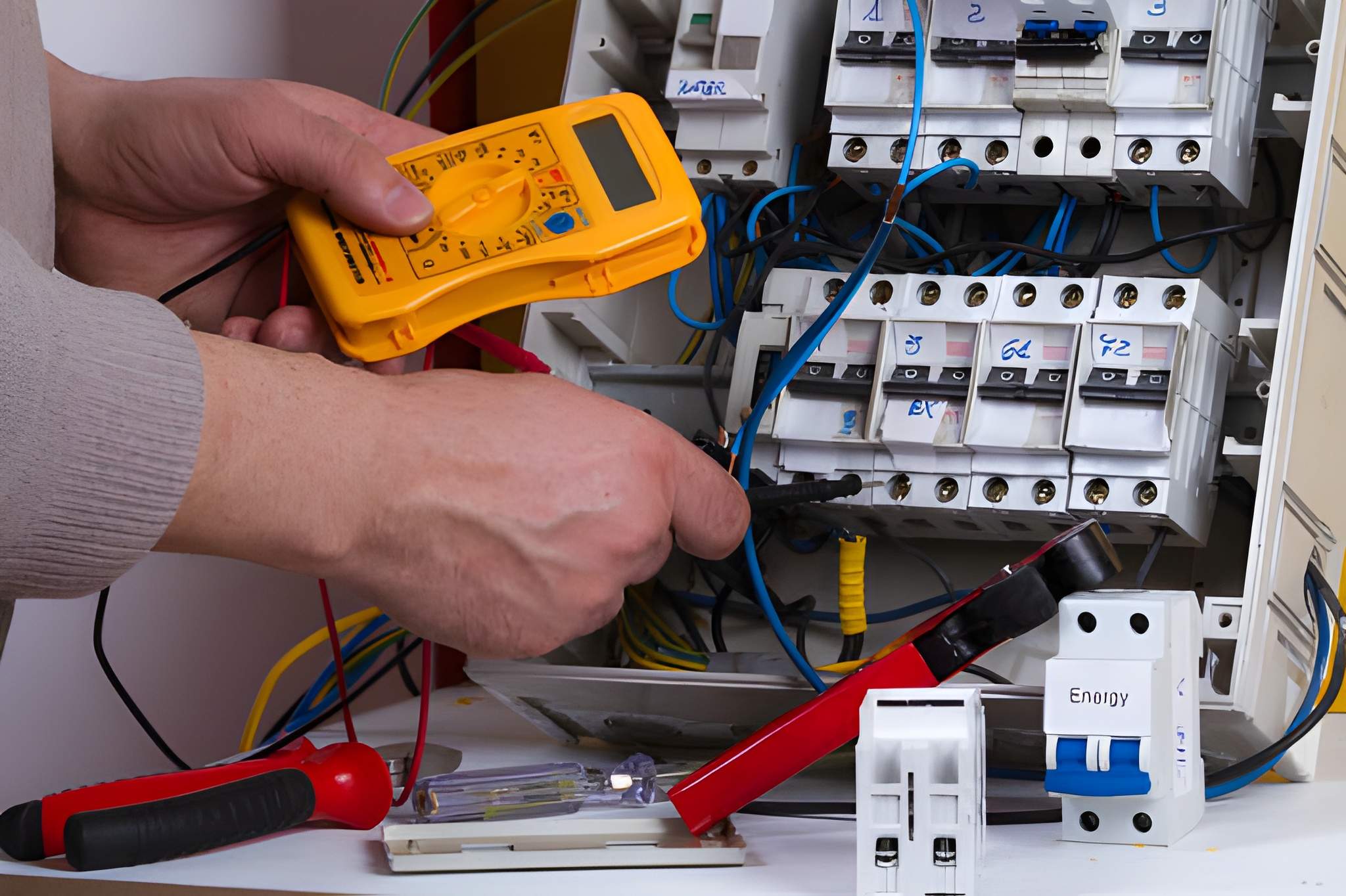
An Electrical Installation Condition Report (EICR) is a formal evaluation of a property’s fixed electrical systems. Its purpose is to identify conditions that could lead to electric shock, fire, or system failure.
A professional inspection covers:
- Consumer units and protective devices
- Fixed wiring and circuit condition
- Earthing and bonding arrangements
- Signs of overheating or degradation
- Alignment with current UK safety standards
In residential areas such as Chingford, many properties have undergone phased electrical work over decades. EICR in Chingford is particularly valuable because it highlights cumulative risks that may not be obvious during daily use.
Legal Duties for Landlords and Property Owners
Landlord Responsibilities in 2026
Landlords are legally required to:
- Hold a valid electrical safety report at least every five years
- Remedy any C1 (danger present) or C2 (potentially dangerous) observations
- Provide written proof that remedial work has been completed
- Supply reports to tenants and local authorities upon request
Failure to comply can lead to significant fines, enforcement action, and restrictions on letting. In practical terms, EICR in Chingford forms the backbone of lawful property management.
Homeowner Considerations
Owner-occupiers are not legally required to obtain an EICR, but it is strongly advised:
- Before selling a property
- After major renovations
- When buying older homes
- If electrical faults or alterations are suspected
For homeowners, inspections are about prevention, safety, and peace of mind rather than regulatory enforcement.
Why Chingford Properties Present Unique Electrical Risks
Chingford’s housing stock creates specific inspection challenges:
- Older wiring systems still in active use
- Extensions and loft conversions added at different times
- Increased electrical demand from modern living
- Inconsistent documentation from previous works
These factors increase the likelihood of hidden defects. EICR in Chingford often uncovers issues such as inadequate bonding, overloaded circuits, or outdated consumer units that no longer provide sufficient protection.
Specialist assessors regularly find that small defects, when combined, significantly increase fire and shock risk if left unaddressed.
Understanding Cost Without Compromising Safety
Electrical inspection costs are influenced by several measurable factors:
- Property size and number of circuits
- Age and condition of the installation
- Accessibility of electrical components
- Whether the property is occupied or vacant
Choosing the cheapest option often results in incomplete assessments and repeat inspections. A properly conducted EICR in Chingford should reflect inspection depth, not just certificate issuance.
To manage costs effectively:
- Schedule inspections ahead of tenancy deadlines
- Combine inspections with planned maintenance
- Address minor issues early before they escalate
Providers such as London Property Inspections price inspections based on scope and risk, ensuring transparency without cutting corners.
Common Electrical Issues Found in Chingford Homes
Several faults appear frequently during local inspections:
Outdated Consumer Units
Older fuse boards without modern RCD protection remain one of the most common causes of unsatisfactory reports.
Inadequate Earthing and Bonding
Poor bonding to gas and water services significantly increases shock risk and often requires urgent remediation.
Circuit Overloading
Modern appliances place far greater demand on systems designed for lower loads decades ago.
A detailed EICR in Chingford allows owners to prioritise remedial work logically rather than reacting under pressure.
Electrical Safety as a Long-Term Property Strategy
Electrical compliance should be viewed as a strategic investment. Properties with well-maintained systems:
- Experience fewer emergency call-outs
- Retain tenant trust
- Reduce insurance complications
- Maintain stronger resale value
By 2026, electrical infrastructure is increasingly considered part of overall property quality. EICR in Chingford now directly influences how properties are assessed by tenants, buyers, and regulators.
Experienced professionals, including London Property Inspections, often advise landlords on phased upgrades that align safety improvements with long-term asset planning rather than short-term fixes.
When to Reinspect Before the Five-Year Interval
You should consider an earlier inspection if:
- The property undergoes refurbishment
- Electrical capacity is increased
- Occupancy type changes
- Repeated electrical issues occur
Waiting until the five-year deadline may leave owners exposed if conditions change significantly.
Final Expert Perspective
Electrical safety in 2026 is about foresight and accountability. A structured approach to EICR in Chingford protects occupants, strengthens legal compliance, and safeguards property value.
Landlords who plan, homeowners who prioritise prevention, and managers who coordinate effectively all benefit from clear, professional assessments. Working with experienced specialists such as London Property Inspections ensures inspections are thorough, proportionate, and aligned with current UK safety expectations.
Frequently Asked Questions (FAQs)
1. How often is an EICR required for rental properties?
At least every five years, or sooner if the report specifies.
2. Can a property be let with an unsatisfactory report?
No. All dangerous observations must be resolved before letting.
3. Are older properties assessed differently?
No. All installations are judged against current safety standards.
4. Does an EICR include portable appliances?
No. It covers fixed electrical installations only.
5. Can tenants request a copy of the report?
Yes. Landlords must provide it upon request.
6. Can insurance be affected by non-compliance?
Yes. Insurers may refuse claims if known defects were ignored.
Leave a Reply