
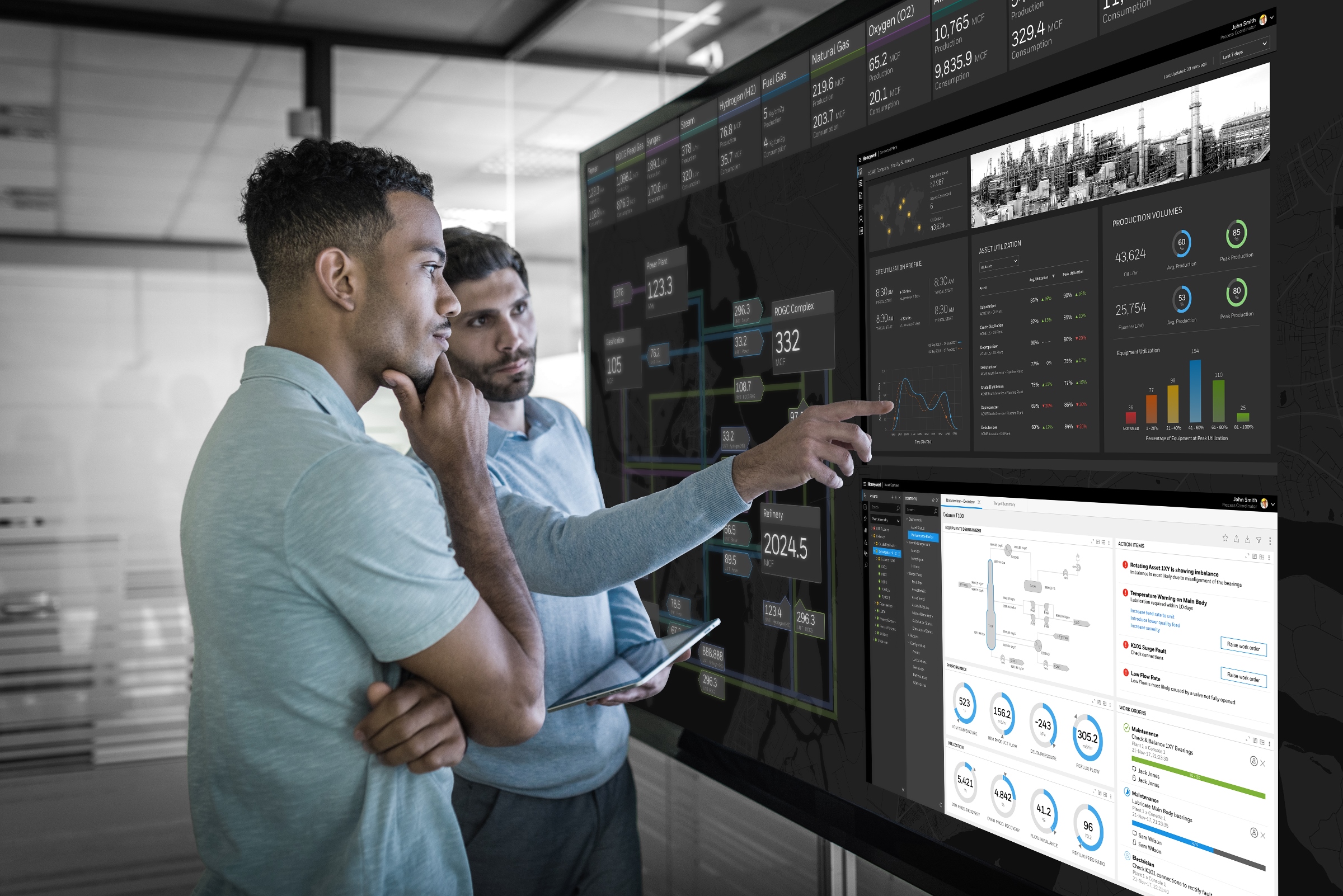
In today’s competitive business environment, managing a growing workforce efficiently is critical to success. Many organizations struggle with manual tracking of attendance, schedules, and productivity, which can lead to errors, wasted resources, and poor decision-making. A workforce management dashboard provides a solution by offering a centralized platform to monitor, analyze, and optimize workforce operations.
What Is a Workforce Management Dashboard?
A workforce management dashboard is a digital tool that consolidates employee data from multiple sources into a single, user-friendly interface. It provides real-time insights into attendance, scheduling, performance, and labor costs. By visualizing complex data through charts, graphs, and reports, managers can make informed decisions quickly.
Key Benefits of a Workforce Management Dashboard
1. Streamlined Workforce Planning
Dashboards help managers forecast staffing needs accurately. By analyzing historical trends and current workloads, businesses can prevent overstaffing or understaffing and ensure optimal resource allocation.
2. Real-Time Performance Monitoring
Managers can track team productivity, identify high-performing employees, and address issues proactively. Real-time monitoring reduces delays, enhances accountability, and boosts overall efficiency.
3. Cost Optimization
Labor costs are often a significant portion of business expenses. Dashboards provide insights into overtime, idle time, and productivity gaps, helping organizations reduce costs without affecting performance.
4. Simplified Scheduling
Automated scheduling ensures employees are assigned to the right shifts based on skills and availability. This reduces conflicts, absenteeism, and the time spent on manual schedule creation.
5. Enhanced Decision-Making
By presenting accurate, up-to-date workforce data, dashboards enable managers to make data-driven decisions. From adjusting staffing levels to identifying training needs, decisions become faster, smarter, and more effective.
Features of an Effective Workforce Management Dashboard
-
Customizable Metrics: Track the KPIs that matter most to your organization.
-
Interactive Visualizations: Use graphs, heatmaps, and charts to simplify complex data.
-
Automated Reporting: Generate daily, weekly, or monthly reports effortlessly.
-
Role-Based Access: Ensure sensitive employee data is secure while providing access to authorized personnel.
-
Predictive Analytics: Forecast workforce trends and plan proactively for future demands.
Industries That Benefit Most
Workforce management dashboards are beneficial across all sectors, but particularly impactful in:
-
Healthcare
-
Retail and e-commerce
-
Manufacturing and logistics
-
IT and software development
-
Hospitality and services
The Future of Workforce Management
With the rise of AI and machine learning, workforce management dashboards are becoming more intelligent. Predictive analytics and automated recommendations allow managers to optimize staffing, improve productivity, and plan strategically, ensuring businesses remain competitive in a rapidly changing landscape.
Conclusion
A workforce management dashboard is a crucial tool for businesses seeking to enhance efficiency, optimize resources, and make data-driven decisions. By providing real-time insights, automating processes, and empowering managers, it drives productivity, reduces costs, and supports long-term growth.
Leave a Reply