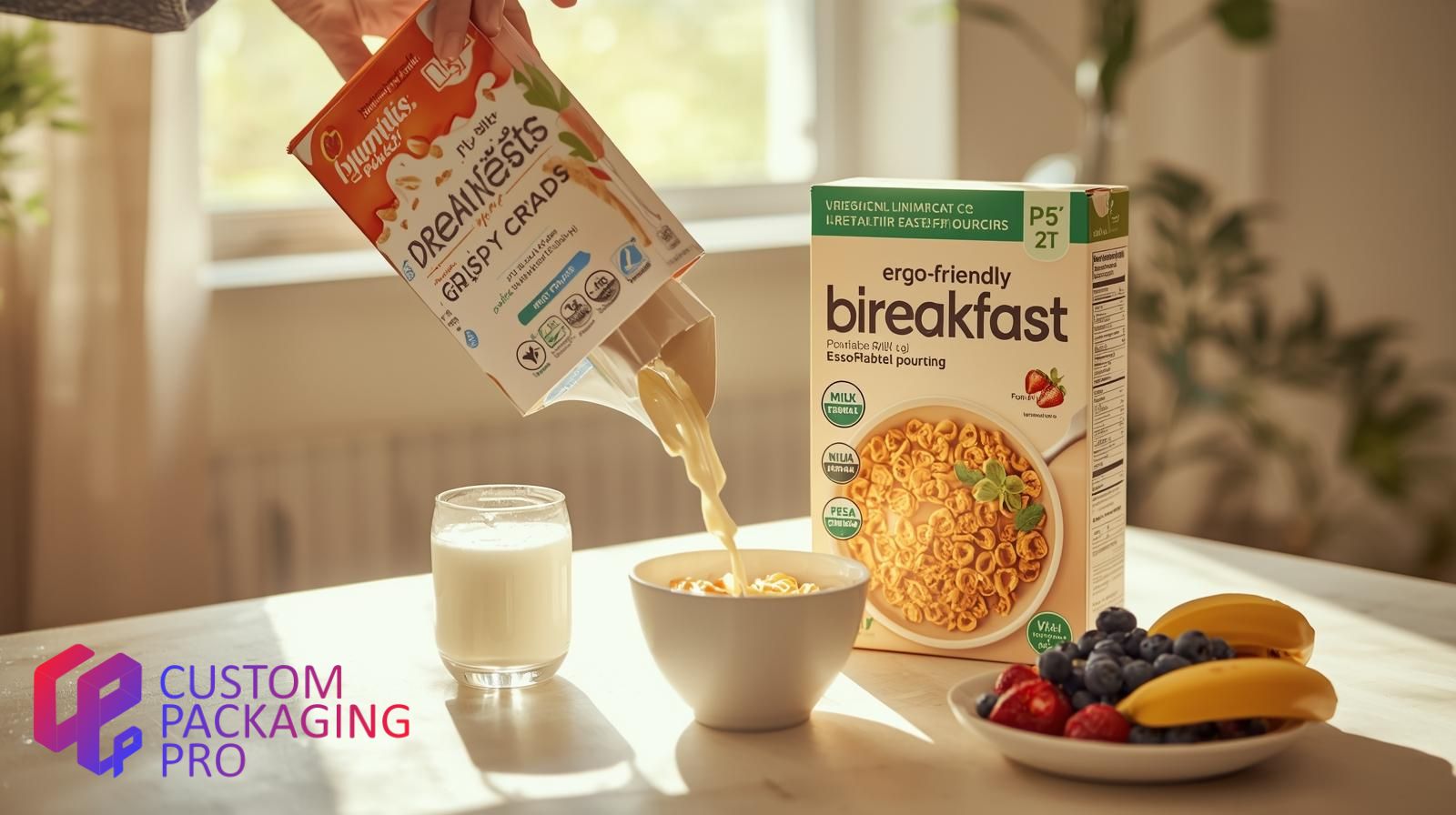
In the competitive food retail market, cereal boxes play a major role in how breakfast products are perceived by consumers. From supermarket shelves in the UK to online grocery platforms, cereal packaging is more than just a container—it protects freshness, communicates brand identity, and influences buying decisions.
In 2026, breakfast cereal packaging is shifting toward eco-friendly materials, smarter storage designs, and visually appealing branding. Whether brands are selling mini cereal boxes, variety pack cereal, or big cereal boxes, choosing the right packaging structure and size has become essential for both functionality and marketing.
Why Cereal Boxes Matter for Food Brands
Cereal brands operate in a highly competitive category where packaging can directly affect sales. A well-designed cereal box offers several benefits:
-
Protects cereal from moisture, air, and contamination
-
Improves shelf presence and brand recognition
-
Helps customers identify flavors, nutrition, and portion size
-
Supports storage convenience at home
-
Aligns with sustainability expectations in the UK market
For leading cereal brands, branded cereal boxes are not only about appearance but also about delivering trust, consistency, and quality at first glance.
Types of Cereal Boxes Used in Retail
Different cereal products require different packaging formats. In 2026, brands commonly use the following cereal packaging types:
Mini Cereal Boxes
Often used in hotels, kids’ meals, and variety packs.
-
Ideal for single servings
-
Popular for mini cereal boxes bulk orders
-
Easy to store and distribute
Standard Cereal Boxes
The most common retail packaging option.
-
Suitable for family-sized breakfast cereal
-
Used by major cereal brands
-
Designed for shelf visibility
Big Cereal Boxes
Used for value packs and warehouse retail.
-
Cost-effective for families
-
Reduces frequent repurchasing
-
Requires strong cardboard structure
Variety Pack Cereal Boxes
Contain multiple small packs in one box.
-
Popular for kids and mixed-flavor households
-
Common in UK supermarkets
-
Requires internal dividers or inserts
Materials Used in Cereal Packaging
| Material Type | Description | Best Use |
|---|---|---|
| Cardboard Boxes | Strong, printable, recyclable | Standard & big cereal boxes |
| Inner Plastic Liners | Protects cereal freshness | Moisture control |
| Kraft Cardboard | Eco-friendly & natural look | Organic cereal brands |
| Coated Paperboard | Improves print quality | Premium cereal packaging |
| Recyclable Materials | Supports sustainability | UK eco-conscious brands |
In the UK, cardboard cereal boxes remains the preferred choice, while brands are reducing non-recyclable plastic wherever possible.
Cereal Box Dimensions & Sizes Explained
Understanding cereal box dimensions is important for shelf placement, shipping, and storage.
| Box Type | Typical Dimensions (cm) | Use Case |
|---|---|---|
| Mini Cereal Boxes | 8×5×18, 10×6×20 | Single servings, hotels |
| Small Cereal Boxes | 18×6×25 | Kids cereals |
| Standard Cereal Box | 20×7×30 | Regular retail packs |
| Big Cereal Boxes | 25×8×35 | Family & value packs |
These dimensions of a box of cereal may vary by brand, but maintaining proper length, width, and height helps optimize logistics and shelf efficiency.
Printing & Branding on Cereal Boxes
Strong visual branding is a key element of cereal packaging. In 2026, popular printing options include:
-
Full-color offset printing for vibrant designs
-
Matte or gloss finishes for shelf impact
-
Nutritional panels on the side of the cereal box
-
Mascot illustrations like frogs or characters for kids’ cereals
-
Clear typography for flavors and ingredients
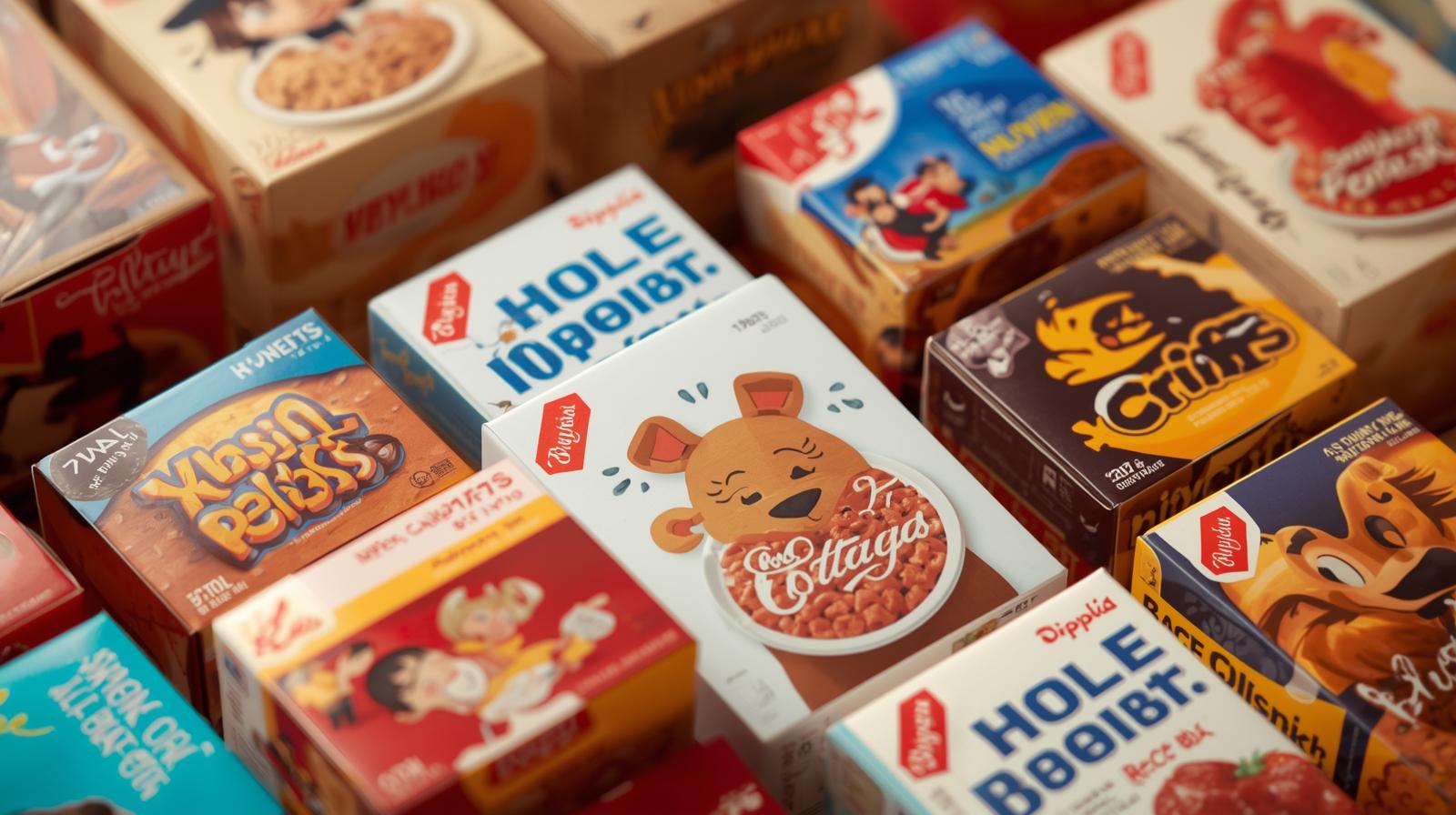
Creative visuals—such as a blue cereal box, cartoon mascots, or interactive designs—help cereal boxes stand out in crowded aisles.
Mini Cereal Boxes & Bulk Packaging
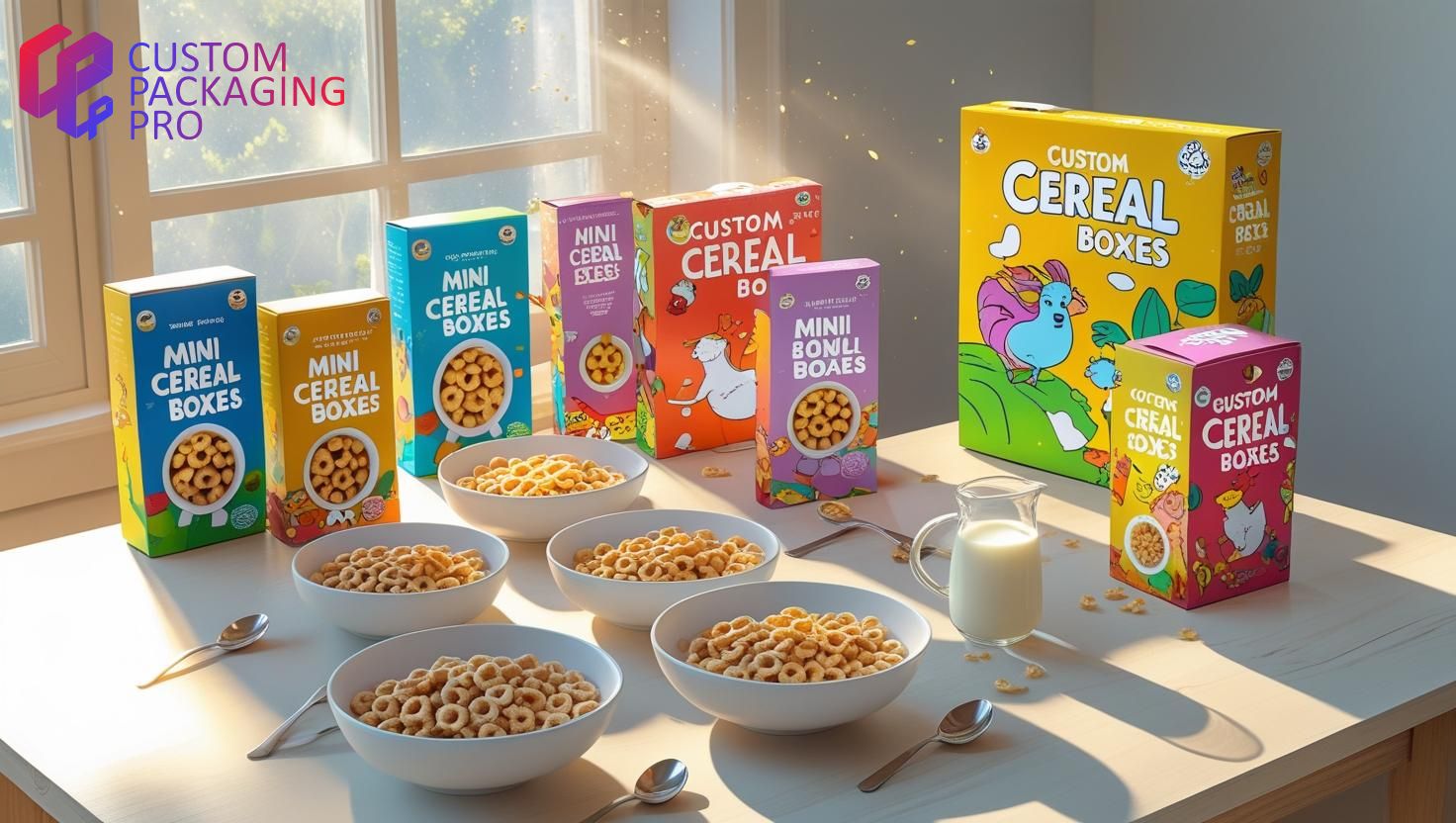
Mini cereal boxes continue to grow in demand across the UK. These are commonly used for:
-
Hotels and airlines
-
School breakfast programs
-
Promotional cereal packs
-
Subscription or variety packs
Brands ordering mini cereal boxes bulk benefit from cost savings, consistent branding, and easier inventory management. Bulk production also allows better control over box size, materials, and print quality.
Recycling Tips for Cereal Boxes and Bags
With sustainability becoming a priority in 2026, UK consumers expect clear recycling guidance.
Best recycling practices:
-
Remove inner plastic bags before recycling
-
Flatten cereal boxes for easier disposal
-
Recycle cardboard cereal boxes with paper waste
-
Avoid food residue inside boxes
Brands that include recycling icons and instructions on cereal packaging improve customer trust and environmental responsibility.
Cereal Packaging Trends for 2026
The cereal industry is adapting to changing consumer expectations. Key 2026 cereal box trends include:
-
Eco-Friendly Cardboard: Reduced plastic use
-
Minimalist Designs: Clean layouts with clear messaging
-
Smaller Portion Packs: Growth of mini cereal boxes
-
Storage-Friendly Shapes: Easier stacking at home
-
Interactive Packaging: Games, QR codes, and educational content
Many cereal brands are also combining cereal boxes with display packaging and retail-ready trays for better shelf organization.
Final Thoughts
In 2026, cereal boxes remain a vital part of breakfast food branding and distribution. From mini cereal boxes to large family packs, the right packaging ensures product protection, shelf appeal, and sustainability.
With growing demand for eco-friendly materials, smart sizing, and strong branding, cereal packaging continues to evolve. Businesses working with experienced packaging providers like Custom Packaging Pro UK can access high-quality, customizable cereal boxes designed for UK retail standards, bulk production, and modern consumer expectations.
FAQs About Cereal Boxes
1. What are cereal boxes made of?
Most cereal boxes are made from cardboard with an inner plastic liner to protect freshness.
2. How big is a box of cereal?
A standard cereal box is usually around 20×7×30 cm, though sizes vary by brand.
3. Are cereal boxes recyclable in the UK?
Yes, cardboard cereal boxes are recyclable once the inner plastic bag is removed.
4. What are mini cereal boxes used for?
Mini cereal boxes are used for single servings, hotels, schools, and variety packs.
5. Can cereal boxes be custom printed?
Yes, cereal boxes can be customized with branding, mascots, nutrition panels, and creative designs.
Leave a Reply