
Introduction
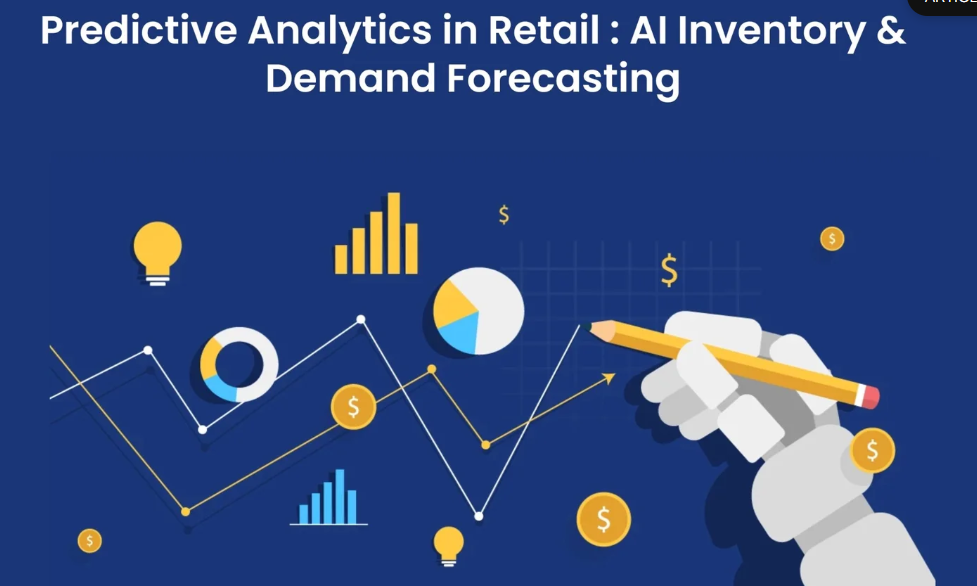
One of the biggest challenges businesses face is uncertainty. Too much stock leads to losses, while too little stock results in missed sales. Demand Forecasting solves this problem by helping businesses predict customer demand accurately and plan operations efficiently.
In a world driven by volatile markets and changing customer preferences, demand forecasting has become a critical business function across industries.
What Is Demand Forecasting?
Demand forecasting is the process of estimating future customer demand for products or services over a specific period. It uses historical sales data, market trends, seasonality, and external factors to make informed predictions.
Modern demand forecasting relies heavily on AI, machine learning, and predictive analytics rather than manual estimates.
Types of Demand Forecasting
-
Short-Term Forecasting – Daily or weekly demand planning
-
Medium-Term Forecasting – Monthly or quarterly planning
-
Long-Term Forecasting – Strategic planning for future growth
How AI Improves Demand Forecasting
Traditional forecasting methods struggle with sudden changes. AI-driven demand forecasting adapts quickly by:
-
Analyzing large volumes of real-time data
-
Identifying hidden patterns and trends
-
Adjusting forecasts based on market fluctuations
-
Learning continuously from new data
This results in higher forecast accuracy and reduced errors.
Business Benefits of Demand Forecasting
-
Optimized inventory levels
-
Reduced stockouts and overstocking
-
Better production and procurement planning
-
Improved cash flow management
-
Higher customer satisfaction
Demand Forecasting Across Industries
-
Retail & E-commerce – Seasonal demand and promotions
-
Manufacturing – Production planning and raw material procurement
-
FMCG – Supply chain optimization
-
Healthcare – Medical inventory and resource planning
Challenges in Demand Forecasting
-
Inaccurate or incomplete data
-
Sudden market disruptions
-
Changing customer behavior
-
Poor integration between departments
AI-powered forecasting systems help overcome these challenges by offering real-time insights and adaptive models.
Conclusion
Demand forecasting is the foundation of efficient operations and sustainable growth. Businesses that forecast demand accurately can reduce waste, improve profitability, and stay ahead of competitors. In today’s unpredictable market, forecasting demand is forecasting success.
Leave a Reply