
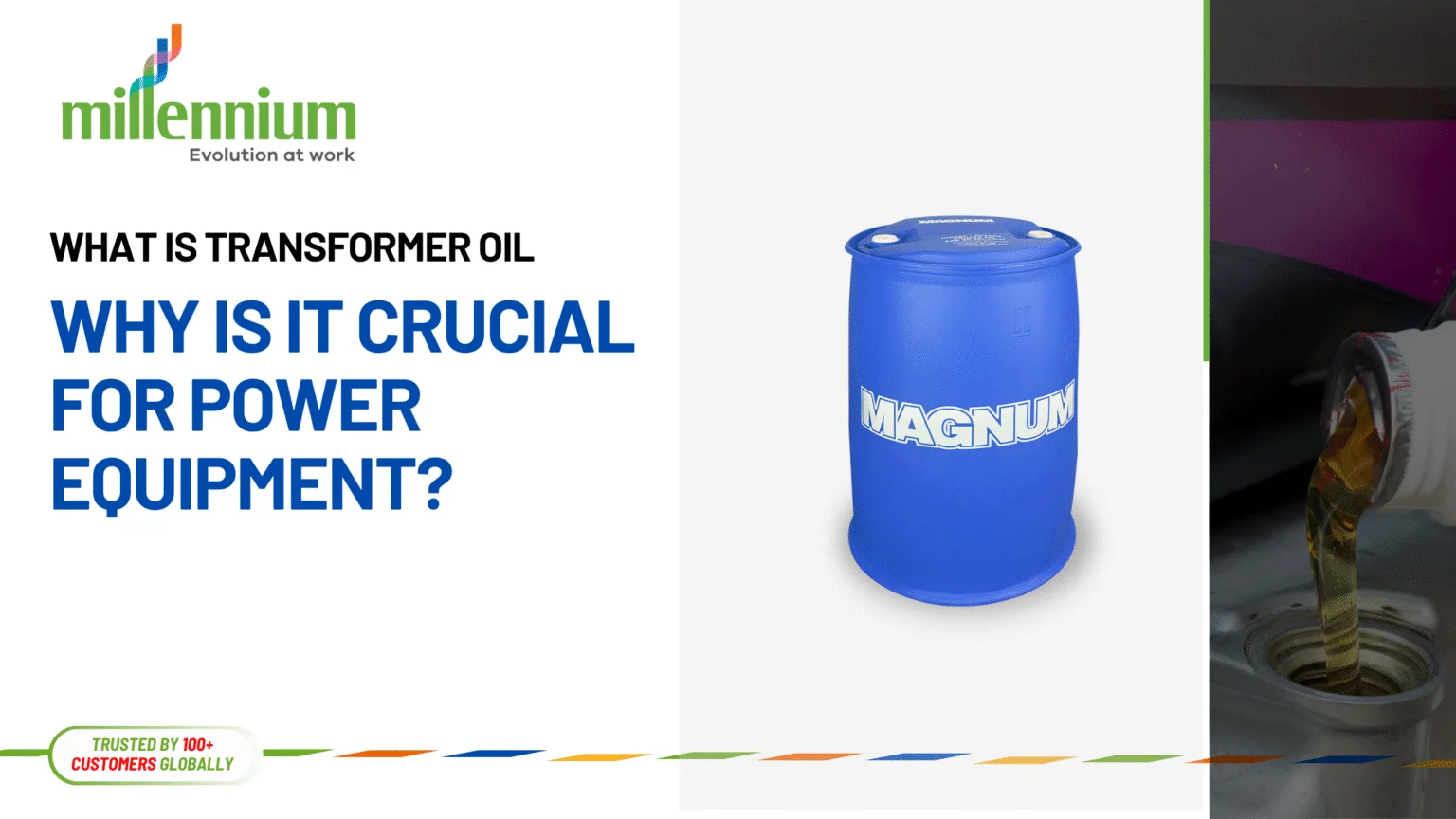
Power equipment such as transformers forms the backbone of electrical networks, enabling safe transmission and distribution of electricity over long distances. One of the key elements that ensures the smooth and reliable operation of this equipment is transformer oil. Though it operates silently inside sealed tanks, transformer oil performs multiple essential functions that protect equipment from electrical stress, heat, and premature failure. Without it, modern power systems would struggle to operate safely and efficiently.
What Is Transformer Oil?
Transformer oil is a high-performance insulating liquid specifically developed for use in electrical equipment operating under transformer oil for high voltage. It is generally produced from carefully refined mineral oils or, in some applications, synthetic or ester-based fluids. The oil is engineered to possess excellent electrical insulation properties, high thermal stability, and long service life.
Unlike conventional industrial oils, transformer oil must remain stable even when exposed to continuous heat, electrical stress, and oxidation. It is also required to stay free from moisture and contaminants, as even small impurities can significantly reduce its insulating ability. Due to these strict requirements, transformer oil is manufactured and tested according to international electrical and safety standards.
Use in High-Voltage Devices
Transformer oil is widely used across various types of electrical power equipment where insulation and cooling are critical. Its primary application is in power and distribution transformers, but its use extends to several other high-voltage components, including:
-
Electrical reactors
-
High-voltage circuit breakers
-
Switchgear systems
-
Capacitors and industrial power units
In these devices, transformer oil surrounds energized parts such as windings and conductors. This complete immersion ensures uniform insulation and allows heat generated during operation to be absorbed and carried away efficiently. By maintaining stable internal conditions, transformer oil helps prevent short circuits, overheating, and internal electrical discharges.
Why It’s Necessary for High Voltage
High-voltage equipment operates under extreme electrical and thermal conditions, making specialized protection essential. Transformer oil is necessary because it provides a combination of benefits that cannot be achieved by solid insulation alone.
Prevention of Electrical Breakdown:
Transformer oil acts as a reliable insulating medium that prevents electrical leakage and flashovers between components operating at different voltage levels.
Efficient Heat Control:
As current flows through transformer windings, energy losses generate heat. Transformer oil absorbs this heat and transfers it to cooling systems such as radiators, helping maintain safe operating temperatures.
Enhanced Equipment Safety:
During abnormal conditions such as voltage surges or switching operations, transformer oil helps suppress internal arcing, reducing the risk of internal damage and fire.
Extended Insulation Life:
The oil protects solid insulation materials, such as paper and pressboard, from oxygen and moisture. This slows down aging and degradation, significantly extending the life of the transformer.
In high-voltage environments, these combined functions make transformer oil indispensable for long-term reliability.
MAGNUM Transformer Oil: Product Advantage
MAGNUM Transformer Oil is formulated to meet the demanding requirements of modern electrical infrastructure. It is produced using high-quality base oils and advanced refining techniques to deliver consistent and dependable performance.
The key product advantages include:
-
Superior dielectric strength, ensuring strong insulation under heavy electrical loads
-
Excellent heat transfer capability, supporting efficient cooling
-
High resistance to oxidation, reducing sludge and deposit formation
-
Low moisture content, helping maintain insulation integrity
-
Stable chemical composition, allowing extended service intervals
These features make MAGNUM Transformer Oil suitable for both new installations and existing power equipment, supporting improved efficiency, reduced downtime, and longer transformer life.
Storage, Handling & Maintenance Tips
Proper oil management is essential to preserve the quality and performance of transformer oil throughout its service life.
Storage:
Transformer oil should be stored in tightly sealed containers to prevent moisture absorption. Drums should be kept in clean, dry areas away from direct sunlight and temperature extremes.
Handling:
When transferring or filling oil, use clean and dedicated equipment. Avoid exposure to open air for extended periods, and ensure filtration during filling to remove particles and impurities.
Maintenance:
Routine oil testing is critical. Parameters such as dielectric strength, moisture content, acidity, and visual appearance should be monitored regularly. If oil quality deteriorates, filtration, dehydration, or replacement should be carried out promptly to prevent equipment damage.
Consistent storage and maintenance practices play a major role in extending transformer service life and maintaining operational safety.
Conclusion
Transformer oil is a vital protective and performance-enhancing component in power equipment operating at high voltage. By providing insulation, cooling, arc suppression, and protection for internal components, it ensures reliable and efficient electrical operation. Advanced products like MAGNUM Transformer Oil, when combined with proper storage, handling, and maintenance, help safeguard transformers against failure and extend their operational lifespan. In an era of growing power demand and reliability expectations, transformer oil remains an essential foundation of modern electrical systems.
Leave a Reply