
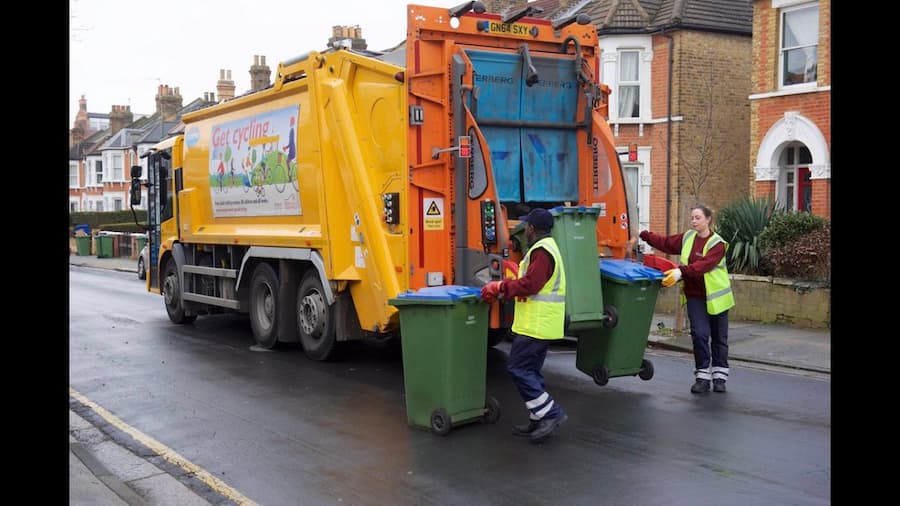
A good system to dispose of waste is also essential in maintaining cleanliness and efficiency as buildings and offices generate a continual stream of paper, packaging, and food waste. The best strategies are timely garbage collection, clearly labeled recycling areas, and closed containers that will not allow odors and mess. Containers which lower trash quantity and facilitate preservation until collection day, are also beneficial to many offices. Timely collections and appropriate recycling of materials are guaranteed when you work with a reputable waste disposal provider. By arranging pickups in accordance with their waste generation, even smaller workplaces may increase productivity. Businesses with limited space often choose small skip for hire to manage occasional bulk waste effectively.
Centralised Recycling Facilities
One of the very best and maximum green methods to reduce rubbish in industrial spaces is thru included recycling stations. These collecting stations strategically set up bins for paper, plastic, glass, and combined recyclables in high-traffic visitor places, along with designated rooms, kitchens, and hallways. Staff contributors could be capable of rapidly studying where and how to properly dispose of stuff if there are fewer dispersed containers throughout the workplace.
This lowers contamination and greatly increases recycling effectiveness. Additionally, centralised stations save time and money by enabling cleaning crews to gather garbage more effectively.
Mini Bins on the Desk with Recycling Guidelines
To promote employee involvement in appropriate garbage processing, several businesses have decided to implement desk-side small bins. Workers are encouraged to segregate recyclables from general rubbish by using these little containers in conjunction with a somewhat bigger central recycling container. When companies have an explicit recycling policy and offer reminders or instructions, the system performs very effectively.
The restricted general-waste space at the desk has a psychological effect that encourages employees to dispose of rubbish more thoughtfully. Despite being straightforward, this technique significantly lowers the amount of blended garbage and enables workplaces to save money on waste disposal while fostering an environmentally conscious culture.
Systems for Composting Food Waste
Surprising amounts of food waste disposal are frequently produced in office kitchens and eating facilities. Installing a composting facility makes the workplace environmentally friendly and keeps organic waste out of dumpsters. In addition to larger sealed bags kept outside for regular pickup, offices can employ tiny countertop compost bins for daily usage. In order to turn food waste into compost that can be used in a matter of hours, some office buildings even invest in on-site electric composters.
These devices greatly lessen the organic waste’s weight and odour, making removal simpler and more sanitary. Composting is particularly common in buildings with green certification objectives, working environments, and ecologically concerned businesses.
Systems for Shredding Private Waste
There are delicate documents in each office such as contracts, employment information, financial documents and intellectual property, and these documents should be discarded in a safe manner. The paper can be sent to the recycling vendor and the information remains intact due to the use of a private shredding system. Personal shredders, shared shredding stations, or outside collection companies that offer secured containers for safe document storage before destruction can all be used in offices.
After each visit, many shredding businesses provide an official document of elimination, which is crucial for sectors like banking, law, and healthcare that depend on conformity. In addition to managing waste, this approach improves company confidence and data security.
Recycling and Collection Locations for E-Waste
In contemporary companies that extensively depend on computers, printers, monitors, networking equipment and mobile phones, e-waste is becoming a bigger problem. Because they contain dangerous elements, disposing of electronics in regular rubbish is both careless and prohibited in many areas. E-waste disposal stations where employees are allowed to dispose of obsolete cables, keyboards, batteries and faulty equipment are extremely useful to workplaces.
Many organisations have arrangements of having qualified recyclers to take part in quarterly or bi-annual e-waste disposal programs. These measures prevent the unsafe process of dismantling, use of the recovered material in a proper manner and the management of the dangerous section in an environmentally friendly manner.
Smart Trash Cans and Sensor Compactors
Technology has transformed waste disposal management in offices today. Smart trash cans have sensors, Wi-Fi, and built-in shredders to mechanically squeeze garbage and reduce volume and alert users on fullness. In so doing, spillage is prevented, odours are reduced as well, and the number of collection trips is minimised.
Certain intelligent systems even monitor trash production trends, providing managers at facilities with valuable information for strategic planning. These bins offer a very effective, low-maintenance option for large office buildings or multi-story companies. They are a great option for tech-focused or busy office settings since, despite the initial expenditure, the long-term operational benefits frequently exceed the cost.
Final words
Usability, sanitation, affordability and environmental consideration must all be put into consideration when deciding on the quality waste disposal device to be used in a workplace. Each of the alternatives between simple recycling stations and the state-of-the-art clever packing containers and bypass-hire solutions has its own advantages depending on the magnitude and waste disposal habits of the enterprise.
Visit Fasculrte for more informative blogs.
Leave a Reply