Where Chiller AC Delivers Maximum Cooling Performance 2026 explains advanced cooling solutions for large commercial environments. Modern facilities demand reliable cooling with efficiency, scalability, and precise temperature control. Chiller AC systems meet these requirements for industries, hospitals, and high-rise buildings.
Where Chiller AC Delivers Maximum Cooling Performance 2026 focuses on performance, design flexibility, and long-term energy savings. Many facility managers compare chiller systems with VRF solutions from the best vrf company. Understanding performance zones helps decision-makers choose the most efficient cooling technology.
Understanding Chiller AC Systems
Chiller AC systems remove heat using chilled water circulated through air handling units. They are designed for large spaces requiring consistent and high-capacity cooling. Chillers operate efficiently even under extreme outdoor temperatures.
These systems typically include chillers, cooling towers, pumps, and control panels. Each component works together to maintain stable indoor conditions. Centralized design simplifies monitoring and maintenance operations.
Types of Chiller AC Systems
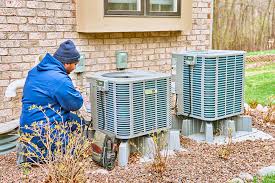
Air-cooled chillers reject heat directly into surrounding air. They are easier to install and require less water usage. These chillers suit medium commercial buildings and rooftop installations.
Water-cooled chillers use cooling towers to release heat. They deliver higher efficiency for large facilities. These systems work best in industrial plants and high-rise complexes.
Where Chiller AC Performs Best
Chiller AC delivers maximum performance in large floor-area buildings. Shopping malls benefit from uniform cooling across multiple zones. Temperature consistency improves customer comfort and retention.
Hospitals rely on chillers for precise temperature and humidity control. Medical equipment requires stable environmental conditions. Chillers support infection control and patient safety standards.
Performance in Industrial Environments
Industrial facilities generate significant internal heat loads. Machinery, lighting, and production processes increase cooling demands. Chiller AC systems manage these loads effectively. They maintain optimal temperatures for equipment longevity. Stable cooling reduces unexpected downtime. This improves overall production efficiency and reliability.
Chiller AC in High-Rise Buildings
High-rise buildings require centralized cooling solutions. Chiller AC systems distribute chilled water across multiple floors. This ensures equal cooling performance throughout the building.
Vertical piping systems reduce energy losses. Chillers handle high occupancy and variable load conditions. This makes them ideal for corporate towers and hotels.
Energy Efficiency Advantages
Modern chillers use variable speed compressors. These adjust output according to real-time demand. Energy consumption decreases during partial load operation.
Advanced controls improve system optimization. Smart sensors monitor temperature and pressure continuously. This results in measurable energy savings over time.
Comparing Chiller AC with VRF Systems
VRF systems provide zoned cooling using refrigerant flow control. They work well for medium-sized commercial buildings. However, performance declines in very large spaces.
Chillers handle higher cooling loads efficiently. Many projects combine chillers with solutions from the best vrf company. Hybrid systems maximize efficiency and flexibility.
Role of the Best VRF Company in Chiller Projects
The best vrf company often partners with chiller system integrators. They provide supplementary cooling for offices and specific zones. This combination improves overall building performance.
Expert VRF companies offer advanced controls and automation. Integration ensures seamless operation between systems. This approach supports future-ready HVAC designs.
Cooling Performance in Hot Climates
Hot climates require robust cooling solutions. Chiller AC systems maintain performance under extreme heat. They resist efficiency losses during peak summer conditions.
Water-cooled chillers perform especially well in hot regions. They use evaporative cooling for heat rejection. This ensures reliable performance year-round.
Smart Controls and Automation
Modern chiller systems include intelligent control platforms. These systems analyze usage patterns and adjust output. Automation reduces human error and operational costs.
Remote monitoring improves maintenance planning. Fault detection systems prevent major breakdowns. This enhances system lifespan and reliability.
Installation Considerations
Proper design ensures maximum chiller performance. Load calculations must match building requirements accurately. Oversizing increases costs and reduces efficiency.
Professional installation minimizes future issues. Experienced engineers ensure correct piping and insulation. This directly impacts system efficiency.
Maintenance and Lifecycle Benefits
Regular maintenance keeps chillers operating efficiently. Cleaning heat exchangers improves thermal transfer. Timely servicing prevents unexpected failures.
Chiller systems have long operational lifespans. They often exceed twenty years with proper care. This makes them a cost-effective long-term investment.
Environmental and Sustainability Benefits
High-efficiency chillers reduce carbon emissions. Modern refrigerants minimize environmental impact. Energy savings support green building certifications.
Sustainable cooling improves corporate responsibility profiles. Many organizations prioritize environmentally friendly HVAC solutions. Chillers align with these sustainability goals.
Cost Efficiency Over Time
Initial chiller installation costs may be higher. However, long-term operational savings are significant. Lower energy bills offset upfront expenses.
Reduced maintenance frequency lowers total ownership costs. Stable performance avoids costly downtime. This improves financial planning accuracy.
Future Trends in Chiller AC Technology
Chiller technology continues to evolve rapidly. AI-based controls improve predictive maintenance. Digital twins enhance performance modeling.
Integration with renewable energy is increasing. Solar-assisted chillers reduce grid dependence. These trends shape future cooling strategies.
Frequently Asked Questions
What buildings benefit most from chiller AC systems?
Large commercial, industrial, and institutional buildings benefit most from chiller AC systems.
Are chiller AC systems energy efficient?
Yes, modern chillers use variable speed technology for improved energy efficiency.
How does a chiller compare with VRF systems?
Chillers handle higher cooling loads, while VRF systems suit smaller or zoned areas.
Can chillers work in extremely hot climates?
Yes, chillers maintain performance even in very high ambient temperatures.
Should I combine chillers with VRF systems?
Combining chillers with solutions from the best vrf company improves overall HVAC efficiency.
Leave a Reply